factors to consider when selecting your ideal solar cooker
As the world increasingly focuses on sustainable living, solar cookers have emerged as a practical and eco-friendly cooking solution. Ideal for camping, garden cooking, or even emergency preparedness, choosing the right solar cooker can significantly impact your cooking experience. In this guide, we will explore key factors to consider when selecting your ideal solar cooker to ensure you make an informed decision.
Cooking Method
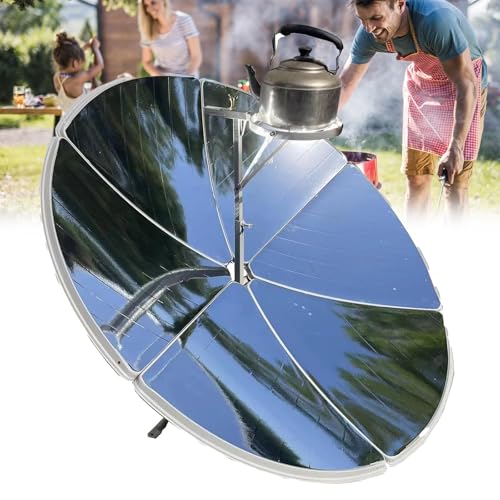
Solar cookers come in various designs, and each has its unique cooking method. The primary types are box cookers, panel cookers, and parabolic cookers. Box cookers are versatile and can reach higher temperatures, making them suitable for baking and roasting. Panel cookers are typically lighter, making them excellent for portability, though they may not cook as quickly as box cookers. On the other hand, parabolic cookers focus sunlight to a central point for high-temperature cooking, ideal for frying but less effective in windy conditions. Assess your cooking needs and decide which method aligns best with your lifestyle.
Materials and Durability
The materials used in construction play a crucial role in the longevity and efficiency of your solar cooker. Look for cookers made from high-quality materials like stainless steel or durable plastics that can withstand outdoor conditions. Additionally, consider the insulation materials used to retain heat. Good insulation will allow your cooker to perform better in varying weather conditions, so investigate the cooker’s design thoroughly.
People Also Look For:
- SACLMD Foldable solar oven,Parabolic Solar Cooker,Solar Concentrator,solar cooker,Camping Outdoor Solar Cooker,Concentrating Solar...
- HQYMXYGEUR Concentrating Solar Cooker,High Efficiency Parabolic Sun Oven,Outdoor Camping Barbeque Cooking Food Concentrating Heat ...
- Solar Oven Built for Outdoor Camping Stove Use, Portable Solar Cooker 4.5L for 4–5 People, Foldable Stainless Ste...
- Solar Cooker for Camping - Portable Solar Oven with Handle for Food Cooking in the Sun - Ideal for Backpacking and Outdoor Travel
- RUNNINGeuQ Solar Oven, Solar Powered Camping Grill, Camp Stove Solar Cooker, Apply To Camping or Hiking
Size and Portability
Size is another vital aspect to consider. If you plan to use your solar cooker for family gatherings or large meals, larger cookers may be more suitable. However, if you are an avid camper or hiker, portability will be essential. Some solar cookers are collapsible or lightweight, making them easier to transport. Evaluate your intended use, and choose a size that fits your cooking needs while being manageable to carry.
Time of Cooking
The cooking time can vary significantly depending on the type of solar cooker and the available sunlight. Box cookers generally take longer to cook food than parabolic cookers. However, they can still be very efficient under a range of sunlight conditions. If you have a flexible schedule, a slower cooker could work well for you. If you require quicker results, consider investing in a parabolic cooker, but be prepared for some adjustments based on the weather.
Temperature Range
Different solar cookers can achieve various temperature ranges. For baking bread or cooking meats, you will need a cooker that can reach higher temperatures, typically above 150 degrees Celsius. Box cookers often meet these requirements, while some panel cookers may struggle. Review the specifications of each model to ensure it can handle the types of meals you want to prepare.
Ease of Use
Some solar cookers require more setup time and knowledge to use effectively than others. If you are new to solar cooking, you might prefer a model that is straightforward and intuitive. Look for features like adjustable angles for optimal sun exposure and easy-to-read temperature gauges. Additionally, user reviews can provide insight into how easy a solar cooker is to operate.
Cost and Warranty
Finally, consider your budget when selecting a solar cooker. Prices can range from affordable to quite expensive, depending on the features and materials. While it may be tempting to opt for the cheapest option, investing in a quality solar cooker with better durability can save money in the long run. Furthermore, check the warranty offered by the manufacturer. A good warranty can provide peace of mind and protect your investment.