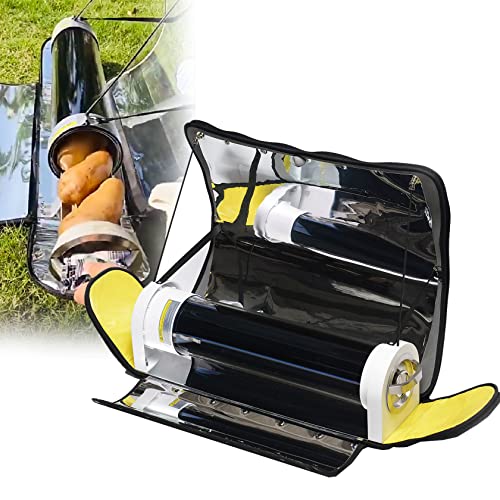
simple solar cooking techniques for tasty outdoor meals
As we embrace more sustainable lifestyles in 2026, solar cooking emerges as an enjoyable and eco-friendly way to prepare meals outdoors. Harnessing the sun's power not only offers a unique cooking experience but also allows you to create delicious dishes while being kind to the environment. In this article, we will explore simple solar cooking techniques that are perfect for beginners, ensuring you can make the most of sunny days.
Understanding Solar Cookers
Before diving into cooking techniques, it is essential to understand the types of solar cookers available. The three main types are box cookers, panel cookers, and parabolic cookers. Box cookers are insulated boxes with a transparent lid that traps heat, making them ideal for slow cooking. Panel cookers use reflective panels to direct sunlight onto a pot, suitable for quicker meals. Parabolic cookers are highly efficient, focusing sunlight onto a central point and are perfect for frying and boiling.
Essential Cooking Equipment
To get started with solar cooking, you will need some basic equipment. A solar cooker is, of course, the most crucial item. Additionally, you should have heat-resistant pots, preferably dark-coloured to absorb more sunlight. A thermometer can help you monitor the temperature inside the cooker, while a set of utensils and a cutting board will make meal preparation easier. Don't forget to have a good supply of ingredients on hand!
People Also Look For:
- JOSKAA Concentrating Solar Cooker,Portable Solar Cooker,Temperature 800-1000 Degrees,Boil Water,Cook,Stir-Fry,Steam,StewPhotovolta...
- HLGKBY Solar Oven Portable Oven, 4.5L Large Capacity Sun Cooker Camp Stove, Solar Cooker Outdoor Oven Camping Stove BBQ Cooking To...
- FENGSSLL Solar Powered Camping Grills, Solar Oven, Portable Stove, Camp Stove Solar Cooker, Camping Oven, Solar Oven, Solar Cooker...
- SACLMD Foldable solar oven,Parabolic Solar Cooker,Solar Concentrator,solar cooker,Camping Outdoor Solar Cooker,Concentrating Solar...
- FENGSSLL Solar Powered Camping Grills,Solar Oven,137mm Large Diameter Vacuum Tube,Camp Stove Solar Cooker,Camping Stove,Sun Oven,S...
Choosing the Right Location
Finding the right spot for your solar cooker is essential for success. Look for an area that receives direct sunlight for several hours each day. Avoid shaded areas from trees or buildings that may obstruct sunlight. Aim to position your cooker towards the south if you are in the northern hemisphere, ensuring maximum exposure to the sun's rays.
Cooking Techniques to Try
Now that you have your equipment and location sorted, let’s explore some simple cooking techniques. One of the easiest methods is to prepare a solar stew. Start by placing chopped vegetables, beans, and seasonings in a heat-resistant pot with water. Seal the pot tightly and place it in your solar cooker. Depending on the intensity of the sun, cooking can take anywhere from 3 to 8 hours.
Another delightful option is solar-baked bread. Mix your favourite bread ingredients, knead the dough, and place it in a dark pot. Allow it to rise in the sun for a couple of hours before placing it in the solar cooker to bake. With patience, you will be rewarded with fresh, warm bread.
Maximising Efficiency
To make the most of your solar cooking experience, consider using the right pots. Opt for dark, non-reflective materials as they absorb heat better than lighter-coloured options. Additionally, preheating your pots in the sun before adding food can help speed up the cooking process. Keep the lids covered during cooking to retain heat and moisture, which enhances the flavour of your meals.
Adapting Recipes for Solar Cooking
Many traditional recipes can be adapted for solar cooking. For instance, casseroles and curries work exceptionally well as they benefit from longer cooking times. You can also prepare solar versions of desserts like fruit crisps by layering sliced fruit with a sprinkle of sugar and placing it in the cooker until soft. Feel free to experiment with your favourite recipes, adjusting cooking times and techniques as needed.
Safety Tips
While solar cooking is generally safe, it is crucial to follow some basic safety tips. Always use heat-resistant gloves when handling pots, as they can become extremely hot. Be mindful of your surroundings to avoid fire hazards, especially if using reflective materials. Finally, ensure that your solar cooker is stable and secure, particularly on windy days.